Living with a chronic respiratory condition requires reliable technology that fits seamlessly into your lifestyle to reduce the stress of oxygen management.
In this comprehensive guide, we explore why the EverFlo concentrator is the preferred choice for residents across Sydney and NSW. From technical specifications to NDIS eligibility and maintenance tips, this article provides the essential insights you need to make an informed healthcare decision.
What is the EverFlo Oxygen Concentrator?
The EverFlo oxygen concentrator is a stationary medical device designed to provide a continuous flow of concentrated oxygen to patients with respiratory deficiencies. Unlike traditional oxygen tanks that require frequent refills, the EverFlo extracts oxygen from the ambient air, filters it, and delivers medical-grade oxygen (up to 96% purity) directly to the user.
Core Background and Design Philosophy
Developed by Philips Respironics, the EverFlo was created to address common patient complaints regarding older, bulky concentrators. It focuses on:
See more: Travel CPAP Machines Explained: Compact Solutions for Sleep Apnea on the Go
- Portability within the home: At only 14kg, it is significantly lighter than its predecessors.
- Reduced Sound: Operating at roughly 45 decibels (comparable to a quiet refrigerator).
- Aesthetic Integration: A non-medical, sleek blue design that blends into home environments.
How the EverFlo Concentrator Works
Understanding the mechanics of your everflo concentrator helps in ensuring long-term performance and safety. The device utilizes Pressure Swing Adsorption (PSA) technology to provide a steady stream of oxygen.
The Filtration Process
- Air Intake: The unit draws in room air through an external filter.
- Compression: An internal compressor moves the air into molecular sieve beds.
- Nitrogen Removal: The sieve beds use zeolite to scrub nitrogen from the air, leaving highly concentrated oxygen.
- Delivery: The purified oxygen is sent through a flow meter and out via a metal cannula connector to the patient.
Technical Specifications for Australian Users
| Feature | Specification |
| Flow Rate | 0.5 to 5 Litres Per Minute (LPM) |
| Oxygen Purity | 93% (+/- 3%) at 5 LPM |
| Weight | 14 kg (31 lbs) |
| Power Consumption | ~350 Watts |
| Sound Level | 45 dBA (Typical) |
| Warranty | 3-Year Limited Warranty (Standard in Australia) |
Benefits of Choosing an EverFlo Oxygen Concentrator
For those living in Sydney, the EverFlo oxygen concentrator offers several distinct advantages over other stationary models:
- Energy Efficiency: The device uses approximately 24% less energy than standard models, which is a significant factor considering Sydney’s rising electricity costs.
- Low Maintenance: There is no “provider filter” to change for at least two years. The intake filter is the only part requiring regular user attention.
- Durability: It features a recessed flow meter and a reinforced metal cannula connector to prevent accidental breakage during movement.
- Heat Reduction: Advanced internal cooling means the unit produces less heat, making it more comfortable for small Sydney apartments or bedrooms.
Real-World Use Cases in Sydney
1. Night-Time Oxygen Therapy
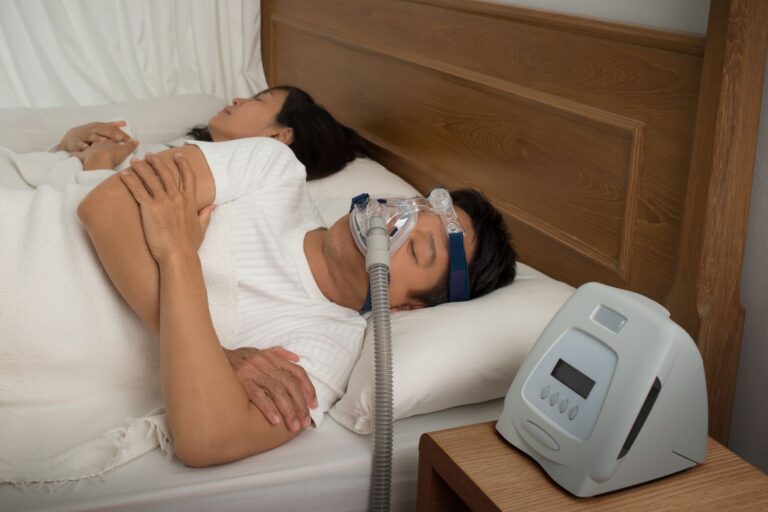
Many patients in NSW are prescribed nocturnal oxygen. The EverFlo’s quiet operation ensures that neither the patient nor their partner is disturbed during sleep.
2. Multi-Story Home Mobility
While it is a stationary unit, the EverFlo features a molded handle and smooth-rolling wheels. This makes it easier to move between the lounge and bedroom in Sydney’s popular terrace-style homes.
3. NDIS and Aged Care Support
Under the National Disability Insurance Scheme (NDIS), the EverFlo is often classified as “Assistive Technology.” Patients in Sydney can work with their NDIS coordinators to have the device funded as part of their respiratory support plan.
Step-by-Step: Setting Up Your EverFlo Concentrator
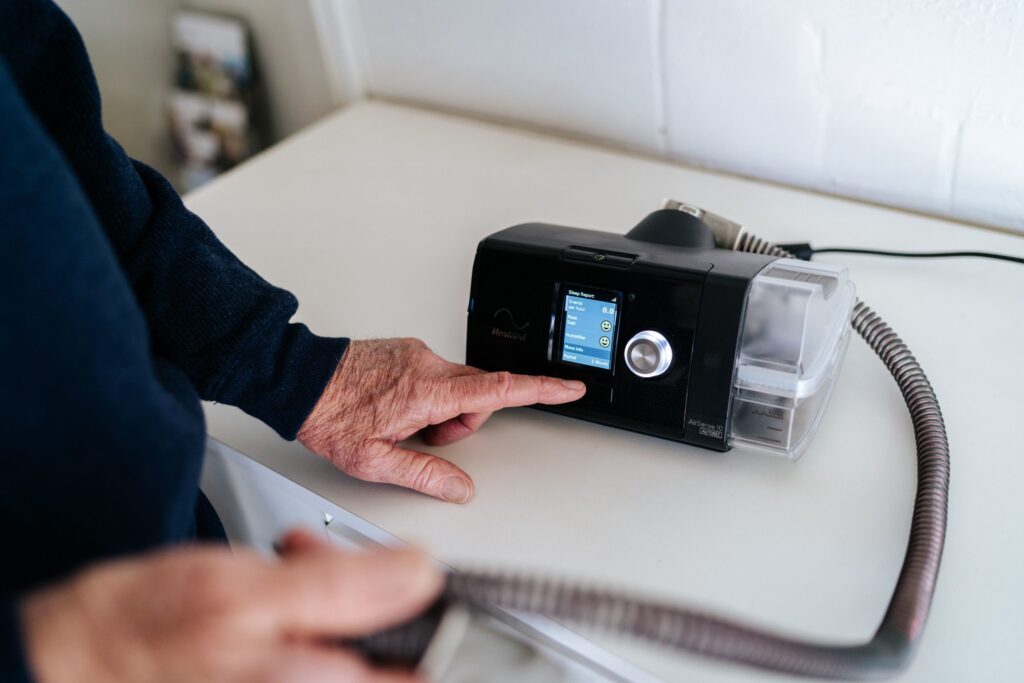
- Placement: Position the unit in a well-ventilated area, at least 15–30cm away from walls, furniture, or curtains.
- Power Connection: Plug the device directly into a wall outlet (avoid using extension cords).
- Humidifier (Optional): If prescribed, fill the humidifier bottle with distilled water and attach it to the humidifier bottle platform using the Velcro strap.
- Tubing: Connect your nasal cannula to the oxygen outlet port (or the humidifier outlet).
- Activation: Flip the power switch to “On.” All lights will flash briefly as a system check.
- Adjust Flow: Turn the flow meter knob until the ball centers on the line corresponding to your prescribed LPM.
Best Practices and Expert Tips
- Ventilation is Key: Never operate the concentrator in a closet or a small, unventilated space. The unit needs a constant supply of fresh air to extract oxygen effectively.
- Distance Tubing: You can use up to 15 meters of tubing with the EverFlo, allowing you to move freely around your home while the unit stays in one central location.
- OPI (Oxygen Percentage Indicator): If your model includes OPI, pay attention to the lights. A green light means purity is optimal; a yellow or red light indicates a technician check is required.
Common Mistakes to Avoid
- Ignoring the Intake Filter: Even though it’s low-maintenance, a clogged filter forces the compressor to work harder, leading to overheating and potential failure.
- Using Tap Water: Only use distilled water in your humidifier bottle to prevent mineral buildup and blockages.
- Smoking Near the Device: Oxygen supports combustion. Ensure all family members and visitors understand that smoking or open flames are strictly prohibited near the concentrator.
Frequently Asked Questions (FAQ)
What is the difference between EverFlo and EverFlo Q?
The “Q” in EverFlo Q stands for “Quiet.” While the standard everflo oxygen concentrator is already very quiet (45 dBA), the Q model reduces the sound level further to approximately 40 dBA.
How often should I clean the filters?
The external intake filter should be cleaned monthly with warm water and mild detergent. It must be completely dry before re-inserting. The internal micro-disk filter should be replaced every two years by a professional technician.
Can the EverFlo run 24/7?
Yes. The EverFlo concentrator is designed for continuous operation and is medically cleared to run 24 hours a day, 7 days a week, provided it has proper ventilation.
What should I do if the alarm sounds?
First, check for kinks in your tubing. If the tubing is clear, ensure the unit is plugged in properly. If the “Low Oxygen” light is on, switch to your backup oxygen source and contact your Sydney-based service provider immediately.
Is the EverFlo covered by the NDIS in Australia?
Yes, the EverFlo is often funded under the NDIS “Assistive Technology” or “Consumables” budget. You will typically need a supporting letter from your respiratory physician or GP.
Does it come with a battery?
No. The EverFlo is a stationary unit that requires a constant connection to AC mains power. For portable needs, you would require a Portable Oxygen Concentrator (POC) like the SimplyGo Mini.
Conclusion: Reliable Respiratory Support in Sydney
The everflo oxygen concentrator remains a top-tier choice for Australians seeking a balance of performance, quietness, and durability. By choosing this device, you are investing in a proven technology that simplifies home oxygen therapy while minimizing energy costs and maintenance hassles. Whether you are managing COPD, asthma, or other respiratory conditions, the EverFlo concentrator provides the peace of mind necessary for a higher quality of life.