
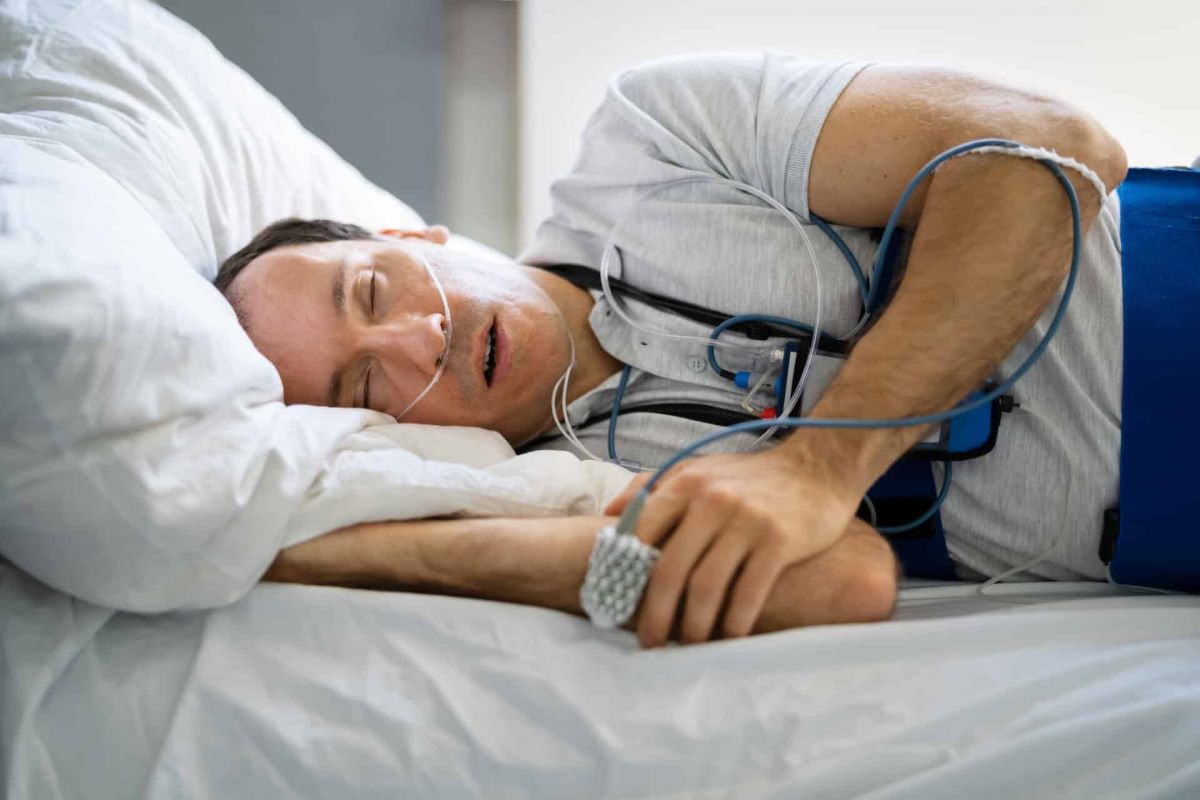
For many Australians living with chronic respiratory conditions like Bronchiectasis, COPD, or Cystic Fibrosis, the day begins and ends with a struggle: the persistent, heavy weight of mucus in the chest. This congestion isn’t just uncomfortable; it’s the primary driver of a chronic cough that disrupts sleep, limits physical activity, and increases the risk of lung infections.
If you are dealing with heavy mucus, how OPEP therapy can reduce your chronic cough becomes a vital question to answer. Oscillating Positive Expiratory Pressure (OPEP) is a drug-free, evidence-based intervention designed to mobilize secretions and restore respiratory ease. By understanding the physics of airway clearance, you can take control of your symptoms and breathe more freely.
See more: EverFlo Oxygen Concentrator: The Ultimate Guide for Sydney Users
What is OPEP Therapy?
Oscillating Positive Expiratory Pressure (OPEP) is a form of chest physiotherapy performed using a handheld device. Unlike standard exhalation, OPEP creates a “pulsing” resistance when you breathe out.
This resistance performs two critical functions simultaneously:
- Positive Pressure: It holds the airways open, preventing the collapse of small bronchioles.
- Oscillation: It sends high-frequency vibrations down into the lungs.
In Australia, respiratory health is a significant focus due to high rates of asthma and environmental triggers. OPEP devices have become a gold-standard recommendation for patients who need an effective, portable way to manage mucus hypersecretion without relying solely on pharmacological thinners.
The Science of Vibrations: How OPEP Thins Heavy Mucus
The secret to OPEP’s effectiveness lies in the relationship between air pressure and fluid dynamics. Mucus in a healthy lung is thin and moves easily via the “mucociliary escalator.” However, in chronic conditions, mucus becomes “viscoelastic”—thick, sticky, and stubborn.
Breaking the Adhesive Bond
When you exhale into an OPEP device, the internal mechanism (usually a ball or a rocker) interrupts the airflow rapidly. These interruptions create vibrations that travel deep into the lower lobes of the lungs. These vibrations act like a “miniature jackhammer,” shearing the sticky mucus away from the airway walls.
Decreasing Mucus Viscosity
Physics shows that certain fluids change their flow properties when subjected to vibration. By applying specific frequencies, OPEP therapy helps “thin” the mucus, making it less like glue and more like a liquid. This transition is essential for moving debris from the small, peripheral airways into the larger, central airways where it can be coughed out efficiently.
Why OPEP Therapy Reduces Chronic Cough
A chronic cough is often the body’s frustrated attempt to move a blockage it cannot budge. When mucus is trapped, the cough reflex is triggered repeatedly, leading to “cough fatigue” and airway inflammation.
- Efficient Clearance: By thinning the mucus first, OPEP makes each cough more productive. Instead of ten “dry” or “hacking” coughs, a patient may only need one or two “huff” coughs to clear the airway.
- Reduced Irritation: Once the heavy mucus is removed, the mechanical triggers for coughing are eliminated, allowing the airway lining to heal.
- Prevention of Stasis: Stagnant mucus is a breeding ground for bacteria. By clearing it daily, you reduce the frequency of flare-ups (exacerbations) that cause long-term lung damage.
Benefits of Using OPEP Devices in Australia
Australia’s diverse climate, from the humid tropics of Queensland to the dry heat of Perth, can significantly impact how mucus behaves. OPEP therapy offers a versatile solution:
| Feature | Benefit to the Patient |
| Drug-Free | No side effects or interactions with existing medications. |
| Portable | Can be used at home, work, or while traveling. |
| Immediate Relief | Many users feel “lighter” in the chest after a single 10-minute session. |
| Cost-Effective | A one-time purchase that lasts for months or years. |
Step-by-Step: How to Use OPEP Therapy Effectively
To get the most out of your device and ensure Google-friendly “helpful content” results, follow this clinically-backed framework:
- Preparation: Sit upright with your elbows on a table to expand your chest.
- The Deep Breath: Take a breath in that is slightly deeper than normal, but do not fill your lungs to the absolute maximum.
- The Hold: Hold your breath for 2–3 seconds to allow air to get behind the mucus.
- The Exhalation: Place the mouthpiece in your mouth and exhale firmly but steadily. You should feel a distinct “fluttering” or vibration in your chest.
- The Cycle: Repeat 10–15 breaths.
- The “Huff” Cough: After the breaths, perform 2–3 “huffs” (exhaling forcefully with an open mouth, as if fogging up a mirror) to move the loosened mucus out.
Best Practices for Long-Term Respiratory Health
- Consistency is Key: Use the device 2–3 times daily, especially in the morning when mucus has settled overnight.
- Hydration: Vibrations work better when the body is hydrated. Drink plenty of water to help the OPEP device thin the secretions.
- Device Hygiene: Clean your device daily according to the manufacturer’s instructions to prevent reinfection.
- Combine with Gravity: Try “postural drainage”—using the device while lying in different positions—to target specific areas of the lungs.
Common Mistakes to Avoid
- Exhaling Too Hard: It is not a contest of strength. A steady, consistent breath is more effective at generating vibrations than a short, violent blast.
- Skipping the Huff: If you loosen the mucus but don’t “huff” it out, it will simply settle back down into your lungs.
- Poor Seal: Ensure your lips form a tight seal around the mouthpiece so no air (or pressure) escapes.
Frequently Asked Questions (FAQ)
1. How long does it take for OPEP to work?
Most patients feel a difference in mucus mobility within the first 5–10 minutes of a session. Significant reduction in chronic cough frequency usually occurs after 2 weeks of consistent daily use.
2. Can I use OPEP if I have asthma?
Yes, OPEP can be very beneficial for “mucus-plugging” in asthma. However, you should consult your GP or respiratory specialist first, especially if you are currently experiencing an acute bronchospasm.
3. Is OPEP therapy painful?
No. The sensation is often described as a “tickle” or a vibration. If you feel pain, you may be exhaling too forcefully or have an underlying pleuritic issue that requires medical attention.
4. Do I need a prescription for an OPEP device in Australia?
Most OPEP devices are available over-the-counter or online. However, getting a recommendation from a physiotherapist ensures you are using the correct technique for your specific lung anatomy.
5. How often should I replace my OPEP device?
Generally, every 6–12 months, depending on the model and how well it is cleaned. Over time, internal valves can lose their elasticity, reducing the effectiveness of the oscillations.
6. Can children use OPEP therapy?
Yes, children as young as 4 or 5 can often use OPEP devices, provided they can follow the breathing instructions. Pediatric versions are often available.
Conclusion: Taking Control of Your Breath
Dealing with heavy mucus? How OPEP therapy can reduce your chronic cough is no longer a mystery when you understand the power of oscillation and positive pressure. By incorporating this simple, drug-free tool into your daily routine, you can break the cycle of congestion, reduce the strain on your lungs, and significantly improve your quality of life.
Whether you are managing a chronic condition or recovering from a respiratory infection, OPEP therapy provides the mechanical “boost” your lungs need to stay clear.
Internal Linking Suggestions:
- Anchor: “managing Bronchiectasis symptoms”
- Anchor: “best chest physiotherapy techniques”
- Anchor: “natural ways to clear lung congestion”
External Reference Suggestions:
- Lung Foundation Australia (for patient resources and support)
- The Cochrane Library (for clinical trials on OPEP efficacy)